
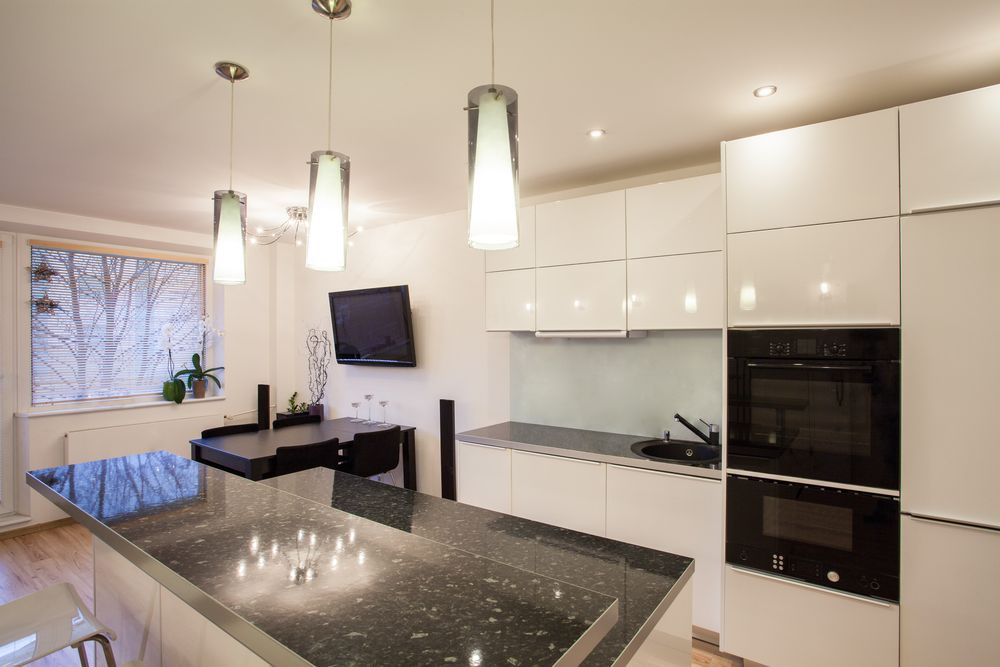
Indoor lighting shapes the atmosphere of your home, but it can also be a hidden expense. Between energy bills, light bulbs, fixtures, and decor-driven upgrades, costs can climb quickly if you’re not careful. Fortunately, you don’t have to sacrifice comfort or style to keep your home bright and budget-friendly. With smart product choices, energy-efficient habits, and creative design ideas, you can save money on indoor lighting without living in the dark.
Switch to Energy-Efficient Bulbs
One of the easiest ways to save on indoor lighting is by replacing old bulbs with energy-efficient alternatives.
-
Choose LEDs over incandescent: LEDs use up to 80% less energy and last much longer, reducing both your electricity bill and replacement costs.
-
Look for Energy Star-certified bulbs: These meet strict energy efficiency guidelines and often come with rebates.
-
Use warm-white LEDs: They mimic the cozy glow of traditional bulbs but cost pennies to run.
-
Buy bulbs in bulk: Multi-packs are often much cheaper than buying single bulbs.
Though LEDs cost more upfront, they quickly pay for themselves through lower utility bills and long lifespans.
Use Dimmers and Smart Controls
Adjustable lighting helps you save energy and create a more comfortable atmosphere.
-
Install dimmer switches: Lowering brightness cuts electricity use and extends bulb life.
-
Use smart bulbs or plugs: Set schedules so lights turn off automatically when you’re not home.
-
Pair with motion sensors: Great for hallways, bathrooms, and closets to prevent lights staying on unnecessarily.
-
Choose app-controlled lighting: Lets you adjust brightness or shut off lights remotely.
Smart lighting technology reduces wasted energy and gives you control over your electric bill.
Maximize Natural Light
Harnessing daylight reduces the need for artificial lighting during the day.
-
Keep windows clean: Dirty glass reduces sunlight penetration.
-
Use light-colored curtains or blinds: They let in more light while maintaining privacy.
-
Rearrange furniture: Position desks and reading areas near windows.
-
Use mirrors strategically: Reflect natural light to brighten darker corners.
Simple adjustments can cut the number of hours you rely on lamps and ceiling lights.
Choose the Right Fixtures for Efficiency
The type of fixture you choose impacts energy use and maintenance costs.
-
Opt for open or semi-open shades: They let more light through compared to heavy, opaque fixtures.
-
Pick adjustable track lighting: One fixture can light multiple areas, reducing the need for extra lamps.
-
Use task lighting: Instead of brightening an entire room, add focused lighting for workspaces or reading areas.
-
Avoid recessed can lights in poorly insulated ceilings: They can leak heat and increase energy costs.
Efficient fixtures ensure you use less electricity while keeping your space well-lit.
Replace Old Ballasts and Outdated Systems
If your home has older lighting systems, upgrading can save big over time.
-
Swap fluorescent fixtures for LEDs: Modern LED panels use less power and last longer.
-
Upgrade outdated ballasts: Old ballasts in fluorescent lights can waste energy and cause flickering.
-
Consider integrated LED fixtures: They’re efficient and designed to last for years without bulb replacements.
While upgrades require an upfront investment, they often reduce your long-term energy costs significantly.
Shop Smart for Fixtures and Bulbs
Lighting doesn’t have to be expensive if you know where to look.
-
Check discount retailers: Stores like HomeGoods, IKEA, or online marketplaces often have stylish yet affordable fixtures.
-
Look for clearance sales: End-of-season home improvement sales can offer big savings.
-
Browse secondhand: Facebook Marketplace, thrift stores, or Habitat for Humanity ReStores often have great lighting finds.
-
Compare online prices: Retailers like Amazon and Wayfair frequently offer discounts on lighting products.
Shopping strategically helps you find beautiful lighting without overpaying.
Layer Your Lighting for Efficiency
Instead of relying on one bright overhead light, use layers of light strategically.
-
Combine ambient, task, and accent lighting: Keeps spaces functional while avoiding the need to over-light the whole room.
-
Use smaller lamps: Target light where you need it most instead of flooding a space with excessive brightness.
-
Zone your lights: Put separate areas (kitchen counters, reading corners) on different switches to control use.
Layering helps you use just the right amount of light without wasting energy.
Automate and Schedule Lighting
Automation keeps lights from staying on when they’re not needed.
-
Smart plugs or bulbs: Schedule lights to turn off when you’re away or asleep.
-
Timers: An affordable way to ensure lamps turn off automatically.
-
Daylight sensors: Outdoor or window-facing lights can shut off when natural light is sufficient.
Automation can reduce your electricity costs without any extra effort once set up.
Maintain and Clean Fixtures Regularly
Dirty or poorly maintained lights are less effective, leading to higher costs.
-
Dust bulbs and fixtures: Clean lights shine brighter, so you can use lower wattage bulbs.
-
Replace old bulbs before they burn out completely: Older bulbs may become dim and inefficient.
-
Tighten loose fittings: Poor connections can reduce performance and waste electricity.
Proper maintenance ensures your lighting stays efficient and bright without added expense.
Use Decorative Lighting Wisely
Accent and decorative lighting can be beautiful but also costly if overused.
-
Limit string lights or specialty lamps: They add ambiance but can consume extra energy if left on.
-
Switch to battery or solar-powered options: For small accent lights, these can reduce ongoing costs.
-
Choose LED decorative bulbs: They offer warm light without driving up your electric bill.
Enjoy decorative lighting strategically without letting it become a hidden expense.
Consider DIY Installations for Simple Upgrades
If you’re comfortable with basic home projects, you can save by installing simple fixtures yourself.
-
Replace basic ceiling fixtures: Many can be swapped with minimal tools and electrical knowledge.
-
Add plug-in wall sconces: They look custom without requiring an electrician.
-
Use adhesive LED strips: Great for under cabinets or behind TVs for affordable accent lighting.
DIY solutions keep labor costs low while letting you customize your lighting.
Common Mistakes to Avoid
-
Using incandescent or halogen bulbs: They’re inefficient and expensive to replace.
-
Over-lighting spaces: More brightness isn’t always better and wastes electricity.
-
Ignoring natural light: Closing blinds during the day forces more artificial lighting.
-
Not using dimmers or timers: Leads to unnecessary energy use.
-
Buying expensive designer fixtures without checking alternatives: Affordable options often look just as stylish.
Avoiding these mistakes can save you money while maintaining a well-lit, cozy home.
Brightening your home doesn’t have to dim your finances. By switching to energy-efficient bulbs, taking advantage of natural light, shopping smart for fixtures, and using automation, you can create beautiful, functional lighting without overspending. Focus on efficiency, maintain your lighting, and embrace small upgrades like dimmers and smart controls to lower energy costs. With the right strategy, you can keep your home glowing—and your wallet happy.