
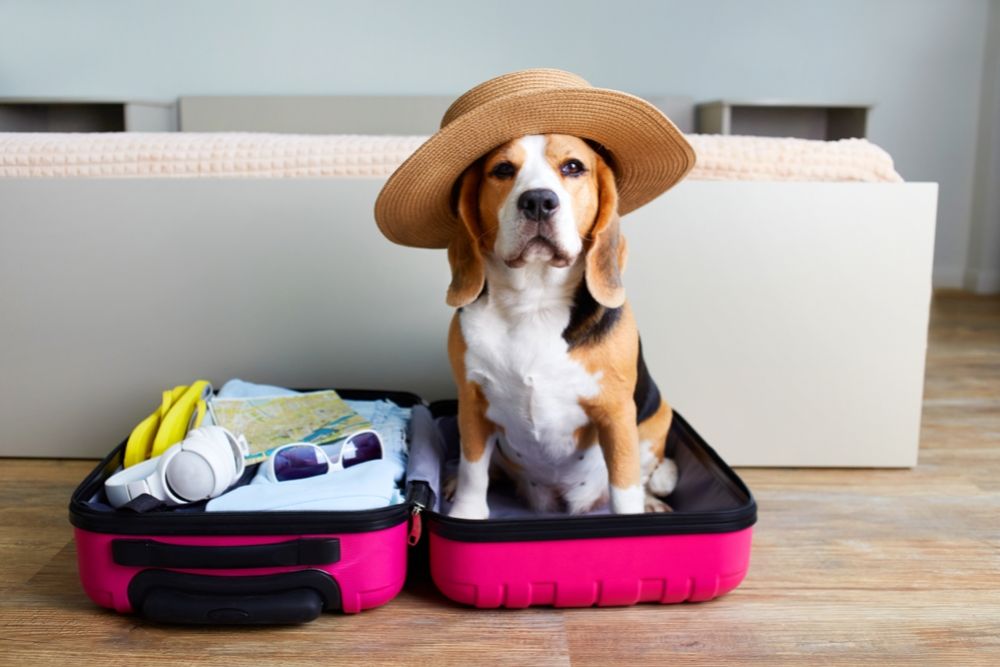
Traveling with a pet can be one of the most rewarding ways to explore new places. You get to share the adventure with your furry companion while avoiding the cost and worry of leaving them behind. But as fun as pet-friendly travel can be, the expenses can pile up quickly—from pet fees and supplies to lodging, transportation, and emergency costs you didn’t plan for.
With the right preparation, you can enjoy a smooth, comfortable, and budget-friendly pet-friendly trip that keeps both you and your pet happy. The key is to plan ahead, compare options strategically, and avoid the common traps that make pet travel more expensive than it needs to be.
Here’s how to plan a pet-friendly trip without overspending, from the first idea to the final day of your journey.
Choose the Right Destination for Your Budget
Not all destinations are equally pet-friendly—or equally affordable. Before you set your heart on a place, research how pet-friendly the area actually is. Some cities charge high pet fees at hotels, have limited outdoor spaces, or require expensive permits for pet access. Others, especially outdoor-friendly destinations, welcome pets at minimal or no cost.
Look for destinations that offer:
-
Public parks, beaches, and nature trails
-
Affordable pet-friendly accommodations
-
Restaurants with outdoor seating
-
Low or no pet taxes or fees
-
Accessible walking paths and outdoor spaces
Choosing the right destination is the first and most important step to keeping costs under control.
Travel During Off-Peak Seasons
When you travel with a pet, accommodations can get expensive—especially during peak holiday seasons or when popular events are happening. Traveling during quieter periods helps you save on lodging, transportation, and activity costs.
Benefits of off-peak travel include:
-
Lower pet fees at hotels
-
More availability in pet-friendly rooms
-
Cheaper flights and gas prices (depending on season)
-
Less crowded outdoor spaces for pets to enjoy
Your pet will enjoy calmer environments—and your budget will thank you.
Choose the Right Mode of Transportation
How you get to your destination has a huge impact on your total cost. Traveling with pets can be surprisingly expensive if you choose the wrong mode of transport.
Here’s how to save on each option:
Driving:
-
Usually the most affordable method
-
No pet ticket fees
-
Bring your own food and supplies
-
More flexibility and comfort for your pet
Flying:
-
Only consider if necessary
-
Compare airline pet fees carefully—they vary widely
-
Pets under a certain weight may fly in-cabin for cheaper rates
-
Book early; pet spaces are limited
Trains or buses:
-
Many don’t allow pets
-
Some accept small pets for a low fee
Whenever possible, driving is the most cost-effective and pet-friendly option.
Book Pet-Friendly Accommodations Wisely
Hotel pet fees vary dramatically. Some hotels allow pets for free, while others charge nightly fees, cleaning fees, or deposits. Vacation rentals can sometimes be cheaper, but fees may still apply.
To save money:
-
Compare hotels based on pet policies, not just nightly rates
-
Look for properties with a flat pet fee instead of nightly charges
-
Consider extended-stay hotels—they often have lower or no pet fees
-
Choose vacation rentals that allow pets at no extra cost
-
Ask if pet fees can be reduced for longer stays
Avoid accommodations that charge high “per pet, per night” fees—those add up quickly.
Pack Your Pet’s Essentials to Avoid Emergency Purchases
Pet supplies are often much more expensive when purchased last minute or at tourist-heavy areas. Packing everything your pet might need ensures you won’t overspend on basic items.
Bring:
-
Food and treats
-
Water and food bowls
-
Leash, harness, and waste bags
-
Crate or travel carrier
-
Blanket or bed
-
Grooming tools
-
Medications and flea prevention
-
Toys and comfort items
-
Portable water bottle
-
Pet documentation
A well-packed bag prevents surprise expenses and keeps your pet more comfortable on the road.
Bring Your Own Pet Food Instead of Buying on the Road
Changing your pet’s diet suddenly can cause stomach issues—leading to costly vet visits during your trip. Bringing enough food for the entire journey ensures consistency and prevents expensive emergency purchases at convenience stores.
Portion dry food in airtight containers. For wet food, bring single-serve packs that travel easily. If your trip is long, research affordable pet stores at your destination before arriving.
Choose Free or Low-Cost Activities Your Pet Will Enjoy
Traveling with a pet doesn’t require expensive attractions. In most cases, your pet would rather explore the outdoors, walk trails, and enjoy simple adventures with you.
Affordable pet-friendly activities include:
-
Nature hikes
-
Beach playtime
-
Scenic drives
-
Picnics in parks
-
Visiting outdoor markets
-
Exploring pet-friendly towns
-
Walking historic districts
-
Free dog parks
These activities offer rich experiences without costing a cent.
Avoid Pet-Friendly Tourist Traps
Some pet-friendly attractions charge premium entry fees or require costly reservations. Others may look fun but offer little value for the price.
Instead, prioritize places where both you and your pet can enjoy the environment naturally. Outdoor spaces are usually free and far more stimulating for pets than crowded attractions.
Prepare for Weather and Emergencies
Weather changes can lead to unexpected purchases like jackets, cooling mats, booties, or umbrellas. Plan for your destination’s conditions to avoid high-priced emergency buys.
Bring:
-
Towels and wipes for muddy days
-
A pet raincoat or extra blanket
-
Portable shade options
-
Travel-safe cooling pads
-
Sunscreen for sensitive breeds (if necessary)
Preparedness keeps your pet comfortable while keeping your wallet intact.
Keep Your Pet Healthy to Prevent Expensive Vet Visits
Vet bills on vacation can be extremely costly. Preventive care before your trip helps avoid emergencies.
Before traveling:
-
Ensure vaccinations are up to date
-
Pack medications and preventatives
-
Bring copies of vet records
-
Examine your pet’s paws, ears, and skin
-
Carry a basic pet first aid kit
For long trips, research affordable local vets in the area—just in case.
Reduce Dining Costs by Choosing Pet-Friendly Food Options
Eating out becomes more complicated with a pet, as not every restaurant allows them. That often leads travelers to buy pricey takeout or eat at overpriced “tourist-friendly” eateries.
To save money:
-
Choose accommodations with a small kitchen
-
Bring simple ingredients for quick meals
-
Pack snacks to reduce unplanned purchases
-
Look for restaurants with outdoor seating
-
Picnic at parks or beaches
You’ll save money and enjoy more relaxed meals with your pet.
Travel Light and Use What You Already Have
Avoid buying specialized pet travel products unless absolutely necessary. Many “pet travel” items are overpriced versions of things you already own.
For example:
-
Regular blankets work instead of travel beds
-
A basic tote bag replaces a specialty pet bag
-
A reusable bowl can serve as a food dish
-
A regular backpack works for storage
-
Your own towel can double as a pet towel
Traveling light keeps your budget low and packing simple.
Planning a pet-friendly trip without overspending is absolutely possible—you just need the right strategy. By choosing affordable destinations, traveling during off-peak times, packing thoughtfully, preparing your pet’s essentials, and focusing on free or low-cost activities, you can create a memorable adventure that doesn’t strain your budget.
Pets don’t need luxury accommodations or expensive gear to enjoy a trip with you. They simply need comfort, safety, and the joy of exploring new places by your side. With smart choices and careful planning, you can enjoy a stress-free, affordable vacation that keeps both you and your pet happy from start to finish.