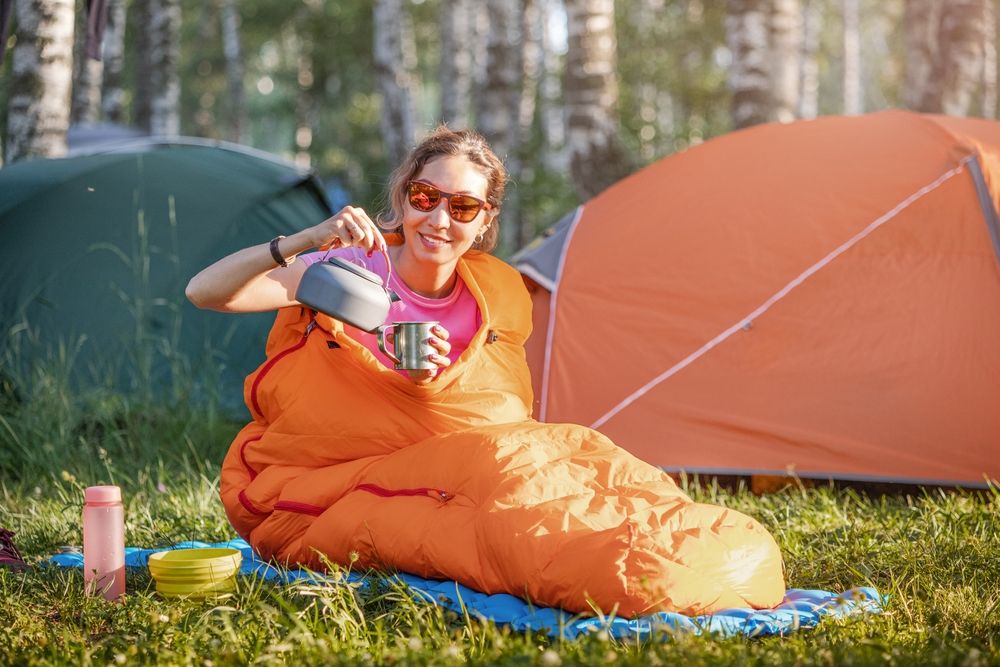
A good sleeping bag can make the difference between a cozy night under the stars and a cold, uncomfortable night that ruins your entire trip. For campers, backpackers, or anyone who sleeps outdoors occasionally, finding a sleeping bag that offers warmth, comfort, and durability on a budget can be challenging — especially since many “premium” bags come with premium prices.
But here’s the good news: you don’t need to spend a fortune to get a sleeping bag that keeps you warm and lasts for years. With a bit of knowledge about temperatures, materials, and use cases, you can select a sleeping bag that fits your budget and does the job well. Below are simple, practical strategies to help you choose budget-friendly sleeping bags without compromising on warmth or quality.
Understand What Temperature Ratings Actually Mean
When shopping for a sleeping bag, the most important specification is the temperature rating. Many budget bags come with a comfort rating — but you need to understand what that rating represents.
-
Comfort rating: The lowest temperature at which an average sleeper can stay comfortable.
-
Limit rating: The lowest temperature at which a cold-tolerant sleeper might survive.
-
Season rating (1-season, 3-season, 4-season): Gives a rough idea whether the bag is suitable for mild, variable, or cold weather.
For most budget-friendly sleeping bags, aim for a comfort rating around 5–10 °C (40–50 °F) if you’ll use them in spring, fall, or summer — and slightly colder if paired with good sleeping pads and layering.
Avoid bags with vague or unrealistic ratings — many “sleeping bags” sold cheaply are made for mild weather only and will fail you on colder nights.
Choose the Right Insulation — Synthetic vs. Down
Sleeping bags are usually insulated with either down feathers or synthetic fill. Each has pros and cons, and for budget-conscious buyers, synthetic fill often offers the best value.
Synthetic fill:
-
Generally less expensive than down
-
Insulates even when damp or wet — a major advantage if you camp without a waterproof tent
-
Dries faster and is easier to maintain
-
Slightly heavier and bulkier
Down fill:
-
More compact and lighter for backpacking
-
Warmer per weight — but expensive
-
Loses insulating ability when wet (unless treated)
-
Requires careful maintenance
For budget gear, synthetic sleeping bags are usually the best choice. They’re affordable, forgiving, and suitable for most casual camping use.
Focus on Fit and Size Instead of Brand
It’s easy to assume that expensive gear equals quality — but that’s not always true. What matters more is picking a bag that fits your body and your needs. A cheap sleeping bag that fits well is often better than an expensive oversized one that fails to keep you warm.
Key fit-and-size considerations:
-
Length and width: Make sure it fits your height comfortably without too much extra space (which reduces warmth).
-
Draft tube and hood: Helps trap warmth around your head and neck.
-
Zippers and closures: Ensure quality so cold air can’t sneak in.
-
Weight & compressibility: Important if you’ll carry it on hikes.
Rather than paying extra for big-name brands, prioritize proper fit, insulation, and closure design.
Look for Sales, Discounts, and Off-Season Deals
Outdoor gear follows seasonal demand cycles. Selling sleeping bags just as hiking season ends, or during holiday sales, retailers often mark down prices significantly.
Best times to scout for deals:
-
Late summer and early fall
-
End-of-season clearance sales
-
Holiday sales (e.g., Black Friday, year-end)
-
Off-season online sales (winter-spring)
These periods can slash prices by 30–60%, making good-quality bags far more affordable.
Compare New vs. Gently Used or Overstock Bags
Used gear can be a goldmine — especially for sleeping bags, which often last many years. People sell bags simply to upgrade or change sizes. The same goes for overstock or returned items from outdoor retailers.
When buying secondhand:
-
Examine for clean, intact insulation (no clumps or matting)
-
Check zippers, seams, and closures
-
Ensure there are no mold or odor issues (particularly for down bags)
-
Look for reputable sellers or platforms
A well-kept used sleeping bag can offer amazing price-to-quality value — sometimes for a fraction of the new price.
Choose the Right Sleeping Bag Shape: Rectangular vs. Mummy vs. Semi-Rectangular
The shape of a sleeping bag affects warmth, comfort, and price. Understanding the trade-offs helps you choose the best value for your needs:
-
Mummy bags: More efficient at retaining heat and usually lighter — great for colder weather or trekking.
-
Semi-rectangular or “comfort” bags: Offer more room to move — comfortable for family camping, less warmth-efficient but often cheaper per liter of volume.
-
Rectangular bags: Typically heaviest and bulkiest — good for car camping, casual use, or larger individuals.
Many budget sleeping bags are semi-rectangular — giving a balance between roominess and affordability. If warmth is a priority, aim for a mummy or semi-rectangular cut with good insulation.
Don’t Overspend on “Adventure-Ready” Extras You May Never Use
Some sleeping bags come loaded with extras: waterproof shells, built-in liners, integrated pillows, high-tech materials. While helpful, these add-ons significantly raise the price—and often go unused on casual or occasional trips.
If you’re buying on a budget: skip:
-
Built-in liners or sleeping pad integration
-
Multi-chamber insulation zones
-
Ultra-light hiking-specialty bags with extreme weather specs
-
Premium waterproof shells (unless you camp in wet climates)
Stick to basics: reliable insulation, good closures, and a comfortable fit. Add waterproofing or comfort layers only if you know you’ll use them often.
Pair Your Bag With a Good Sleeping Pad to Increase Warmth
Even an affordable sleeping bag can feel cold if paired with a poor sleeping pad. A sleeping pad reduces heat loss to the ground — often the biggest source of chill overnight.
If you’re budget-constrained:
-
Invest in a quality sleeping pad rather than an expensive bag upgrade
-
Use a foam pad, inflatable pad, or insulated pad — each has pros & cons
-
Combine the pad with your bag’s insulation rating to judge real warmth
This combo often outperforms a “warmer” bag alone — and costs less long-term.
Maintain Your Bag Well to Extend Its Life
A sleeping bag that’s well cared for lasts longer and stays warmer, which saves money over time.
Maintenance tips:
-
Store unpacked (loosely in a bag) when not in use
-
Air it out after every trip
-
Wash only when necessary, using appropriate detergent
-
Ensure it dries completely before storage
-
Repair small tears or zipper issues immediately
Good maintenance turns an inexpensive sleeping bag into a dependable long-term companion.
Test It at Home Before Your Trip
Before you rely on a sleeping bag outdoors, test it at home on a cold night — preferably on the floor or a cold surface.
Check for:
-
Cold spots or heat leaks
-
Drafts at the zipper area
-
Comfort around head and shoulders
-
Realistic comfort rating vs. expected weather
This helps you avoid surprises during a trip — and confirms whether the bag meets your needs.
Choosing a budget-friendly sleeping bag that still keeps you warm doesn’t require settling for subpar gear. By focusing on features that truly matter — insulation, material, fit, shape — and avoiding costly extras, you can find a sleeping bag that serves you well for years, without draining your wallet.
Whether you’re a casual camper, a weekend hiker, or an occasional traveler, a well-chosen synthetic-fill sleeping bag with the right temperature rating and proper care will give you comfort and warmth at an affordable price. Pair it with a good sleeping pad, maintain it well, and you’ll get maximum value for minimum money.
With these tips, you can enjoy cozy nights under the stars — without compromising comfort or your budget.