Buying a new car is a milestone moment, often representing independence, convenience, and pride. But along with that excitement comes a host of new expenses — insurance premiums, loan payments, maintenance, and fuel quickly add up. For first-time car owners especially, the costs can feel overwhelming if not managed wisely. The good news is that there are many ways to cut down on these expenses while still enjoying your vehicle. With the right habits and smart strategies, you can keep your car running smoothly without draining your bank account.
Shop Around for the Best Insurance
Insurance is one of the biggest ongoing costs for car owners, especially for new drivers or those insuring a new car. Rates can vary widely between providers, so it pays to compare. Use comparison websites, request quotes directly, and don’t hesitate to ask about discounts. Many insurers lower rates if you bundle car insurance with home or renter’s insurance, maintain a clean driving record, or complete defensive driving courses. Even small reductions add up significantly over time.
Understand Your Financing
If you financed your car, review the terms of your loan carefully. The interest rate, loan length, and payment schedule all affect the total cost of your car. Refinancing to a lower interest rate after improving your credit score can save you money. Always pay on time to avoid fees and damage to your credit, which would increase borrowing costs in the future.
Stay on Top of Regular Maintenance
Routine maintenance may feel like an extra expense, but it actually saves money in the long run. Oil changes, tire rotations, and brake checks prevent small issues from turning into costly repairs. Follow the maintenance schedule in your owner’s manual rather than relying on generic recommendations. Some services may not be necessary as often as mechanics suggest, so knowing your car’s specific requirements prevents overspending.
Learn Simple DIY Fixes
Not every repair requires a trip to the mechanic. Learning basic car care can cut costs substantially. Tasks like replacing windshield wipers, changing air filters, topping up fluids, or swapping out light bulbs are simple enough to do at home with minimal tools. Online tutorials and your vehicle manual can guide you through these jobs. By handling smaller tasks yourself, you avoid paying labor fees that often double the cost of minor maintenance.
Use Fuel Wisely
Gas is another major ongoing expense, but a few habits can stretch your fuel further:
-
Drive smoothly and avoid rapid acceleration or hard braking.
-
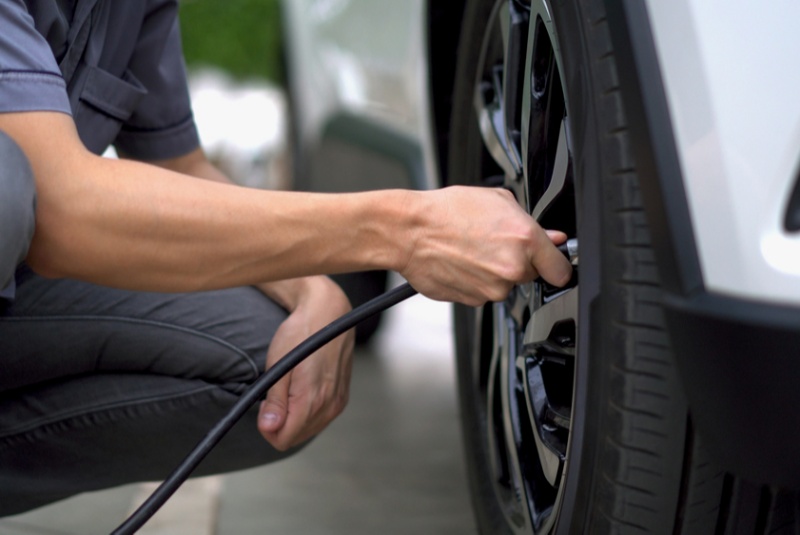
Keep tires properly inflated for better mileage.
-
Remove unnecessary weight from the car, such as unused roof racks.
-
Combine errands to reduce total driving time.
Additionally, use apps to track gas prices in your area. Filling up at the cheapest station rather than the nearest one can save you hundreds of dollars per year.
Choose the Right Fuel and Products
Many new car owners assume premium gas or expensive additives are necessary, but most vehicles run just fine on regular unleaded. Check your owner’s manual — unless premium is specifically required, using regular gas saves money without harming performance. Similarly, avoid overpriced car products marketed as “must-haves.” Stick to what your car manufacturer recommends for oil, fluids, and parts.
Wash and Clean Your Car at Home
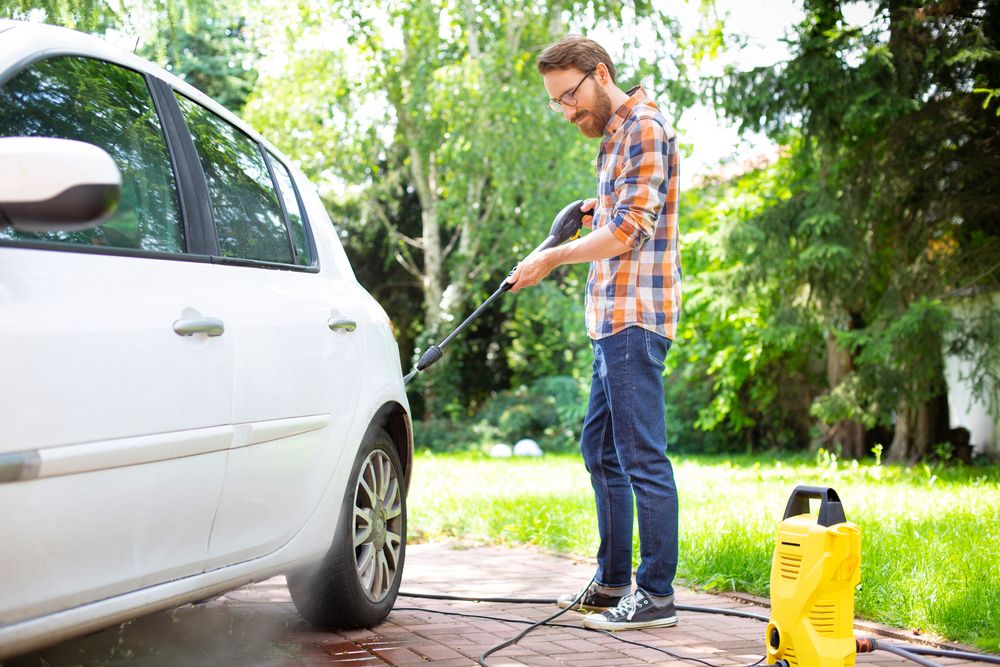
Car washes may seem inexpensive, but weekly trips add up quickly. Washing your car at home with simple supplies costs far less. Interior cleaning can also be done cheaply with basic products like microfiber cloths and vacuum cleaners. Regular cleaning not only saves money but also helps preserve your car’s value by preventing long-term wear and tear.
Be Smart With Extended Warranties
When buying a new car, dealerships often push extended warranties or service packages. While these may sound appealing, they aren’t always necessary. Many new cars already come with manufacturer warranties that cover major repairs for several years. Instead of purchasing add-ons right away, evaluate whether they truly align with your driving habits and budget. In many cases, setting aside a small monthly amount for a repair fund is a smarter move.
Protect Your Car to Avoid Repairs
Preventative care is one of the best money-saving strategies. Park in shaded or covered areas to protect your car from sun damage, which can fade paint and damage interiors. Use floor mats and seat covers to reduce wear, especially if you plan to resell the car later. Driving cautiously and avoiding potholes or rough terrain minimizes suspension and tire issues. These habits cost little but significantly extend your vehicle’s lifespan.
Monitor Your Driving Habits
Insurance companies increasingly offer programs that track driving habits in exchange for lower premiums. If you’re a safe driver who avoids hard braking, speeding, and excessive mileage, these telematics programs could save you money. On top of lowering insurance, driving mindfully reduces fuel consumption and the likelihood of costly accidents or tickets.
Plan for the Long Term
Cars depreciate quickly, but how you care for them determines resale value. Keeping up with maintenance records, avoiding cosmetic damage, and limiting unnecessary mileage can all boost resale price when it’s time to upgrade. Think of your car as a long-term investment — the better you take care of it, the more value you’ll recover in the future.
Build an Emergency Car Fund
Even with careful planning, unexpected expenses happen — flat tires, dead batteries, or sudden mechanical failures. Having a small emergency fund dedicated to car repairs prevents you from relying on credit cards or loans in stressful moments. Start by setting aside $20–$50 a month. Over time, this fund will provide peace of mind and financial security as a car owner.
Owning a car opens up new possibilities, but it also comes with significant financial responsibilities. By shopping smart for insurance, sticking to routine maintenance, learning DIY fixes, and practicing fuel-efficient driving, you can enjoy your new car without breaking the bank. Small, consistent savings in each area add up to major long-term benefits, ensuring that your car remains both a convenience and a financial asset instead of a burden. With these money-saving hacks, first-time car owners can hit the road confidently and affordably.