Most people think saving money on groceries comes from coupons, sale hunting, or shopping at discount stores. While those strategies help, the biggest money-saver isn’t in the aisles—it’s in your planning. A structured grocery list system can quietly save you hundreds each year by cutting impulse buys, food waste, and unnecessary trips to the store. It doesn’t require apps, extreme budgeting, or complicated spreadsheets—just a bit of organization and consistency.
Here’s how to build a grocery list system that helps you spend less, eat better, and shop smarter all year long.
Why a Grocery List System Works
The average household wastes 20–30% of its grocery budget every year due to poor planning. That’s not just uneaten food—it’s money thrown away. A clear, repeatable grocery list prevents that by:
-
Eliminating duplicates: No more buying items you already have.
-
Preventing impulse buys: You’ll stick to what’s planned instead of shopping on emotion.
-
Reducing waste: You buy what you’ll actually use before it spoils.
-
Streamlining trips: Less wandering means fewer unplanned extras in your cart.
-
Maximizing sales: When you know your regular items, it’s easier to stock up strategically.
A grocery list system gives you structure and purpose every time you shop—turning random spending into intentional saving.
Step 1: Build a Master List
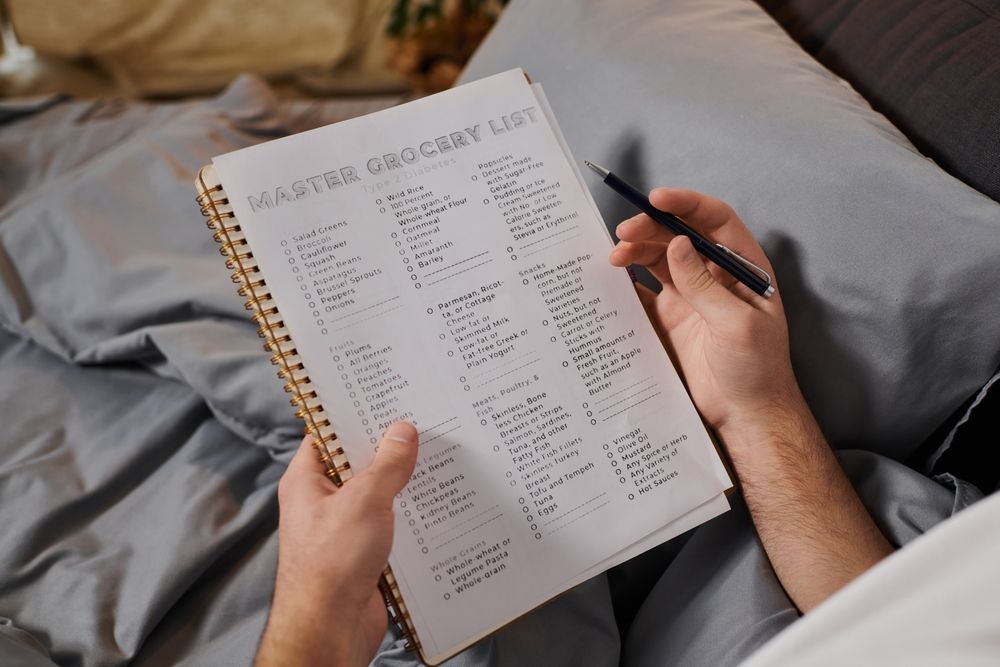
A master grocery list is the backbone of your system. It’s a personalized inventory of the foods, ingredients, and household staples your family regularly uses.
-
Start with your staples: Think milk, bread, eggs, rice, fruits, and cleaning supplies.
-
Organize by category: Divide into sections like Produce, Dairy, Pantry, Frozen, and Household.
-
Use your receipts: Check old receipts or your store app to identify frequent purchases.
-
Include rotation items: Add things you buy occasionally (e.g., sauces, snacks, baking supplies).
-
Keep it flexible: Leave space to add seasonal or new items as needed.
Once you create your master list, you’ll never start a grocery trip from scratch again.
Step 2: Create a Weekly Meal Plan
Your meal plan drives your grocery list—and prevents the all-too-common “I don’t know what to make” dilemma that leads to takeout.
-
Plan simple meals: Stick to 4–5 main dishes per week and fill gaps with leftovers.
-
Use a template: Rotate themes like “Pasta Night,” “Stir-Fry Night,” or “Breakfast for Dinner.”
-
Check your pantry first: Build meals around what you already have.
-
Balance affordability and nutrition: Include budget-friendly staples like eggs, beans, and rice.
-
Stay realistic: Plan meals that fit your schedule and energy level.
A consistent meal plan ensures your grocery list matches your actual needs, minimizing waste and excess spending.
Step 3: Shop Your Kitchen Before the Store
Before adding anything new to your list, take inventory of what’s already in your kitchen.
-
Check your fridge, freezer, and pantry: Many items hide behind others and go unused.
-
Match ingredients to meals: Plan around what’s nearing expiration.
-
Use a “use first” bin: Keep perishable or soon-to-expire items in one place.
-
Cross off duplicates: Don’t buy another ketchup bottle if there’s one half full.
-
Track recurring items: Note which staples run out fastest to adjust your shopping rhythm.
This step alone can cut grocery spending by 10–15% monthly since you’ll waste less and buy fewer duplicates.
Step 4: Write a Real Grocery List (and Stick to It)
Now that you’ve planned your meals and checked your inventory, it’s time to make your official list.
-
Use your master list as a template: Highlight or check what you need each week.
-
Sort by store section: Group items by aisle—this keeps you focused and efficient.
-
Estimate costs: Write down rough prices next to each item to stay within budget.
-
Set a spending limit: Knowing your total target helps you avoid spontaneous extras.
-
Use pen and paper—or your phone: The best list is the one you’ll actually use.
When you follow a list built from actual needs instead of moods, every item in your cart earns its place.
Step 5: Schedule Smart Shopping Times
Your list is only as effective as the timing of your trip.
-
Shop midweek mornings: Stores are fully stocked and less crowded.
-
Avoid weekends: Saturday and Sunday shoppers drive up demand and prices.
-
Go after restocks: Ask staff when produce or meat deliveries arrive.
-
Never shop hungry: You’ll buy more than you need, guaranteed.
-
Limit your frequency: Fewer trips reduce exposure to tempting displays.
Pairing a solid list with strategic timing ensures you save both money and time.
Step 6: Track Your Spending and Adjust
A grocery list system isn’t static—it evolves with your habits and household needs.
-
Save your receipts: Compare weekly totals to find patterns.
-
Highlight unnecessary buys: Identify which items were impulse purchases.
-
Note price changes: Helps you spot inflation trends and stock up when items are cheaper.
-
Refine your list: Remove things that consistently go to waste.
-
Reward yourself: Seeing your monthly savings builds motivation to stick with the system.
Within a few months, you’ll start to see real savings—often $50–$100 per month or more.
Step 7: Use Digital Tools (Optional but Powerful)
If you prefer apps to paper lists, digital tools can make your system even more efficient.
-
Grocery list apps: Tools like AnyList, Cozi, or Google Keep let you share lists with family.
-
Budget trackers: Pair your grocery totals with apps like Mint or YNAB for spending insights.
-
Store apps: Digital flyers and coupons sync automatically with your favorite items.
-
Barcode scanning: Some apps let you scan items as you run low to add them instantly.
-
Voice assistants: Add to your list hands-free with Alexa or Google Assistant.
Technology doesn’t replace good habits—but it can make staying consistent easier than ever.
Step 8: Make It a Family Routine
Getting everyone involved strengthens your savings system and reduces friction.
-
Post the master list on the fridge: Family members can add items as they run out.
-
Plan meals together: It keeps everyone satisfied and cuts down on last-minute fast food runs.
-
Share your grocery goals: Saving for a trip or major purchase adds motivation.
-
Delegate shopping: Teach older kids to help with list-based shopping trips.
-
Celebrate success: Acknowledge your savings milestones as a household win.
When grocery saving becomes a shared goal, it turns a simple list into a long-term lifestyle upgrade.
How Much Can You Really Save?
A well-executed grocery list system can easily save $800–$1,200 per year for an average household.
Here’s how the savings break down:
-
$300–$400 from reduced food waste
-
$200–$300 from fewer impulse buys
-
$100–$200 from sale optimization
-
$100–$300 from meal planning and bulk buying
The best part? These savings don’t require cutting out your favorite foods—just organizing them better.
A grocery list might seem simple, but when turned into a system, it’s one of the most powerful budgeting tools you have. By combining planning, organization, and consistency, you can slash your grocery bill, reduce waste, and simplify your weekly routine.
You don’t need extreme couponing or hours of research—just a reusable list, a plan, and the discipline to stick to it. Over time, those small decisions add up, leaving more money in your pocket and less stress in your shopping trips.
A smarter list today means hundreds of dollars saved by year’s end—and a calmer, more intentional approach to feeding your home.